
Good Christmas light storage begins during takedown. The goal is not simply to put lights in a container; it is to preserve the layout information, keep components dry and organized, identify damaged items and make the next installation easier to plan. A systematic storage process can prevent avoidable tangles, missing parts and time spent rediscovering how a display was assembled.
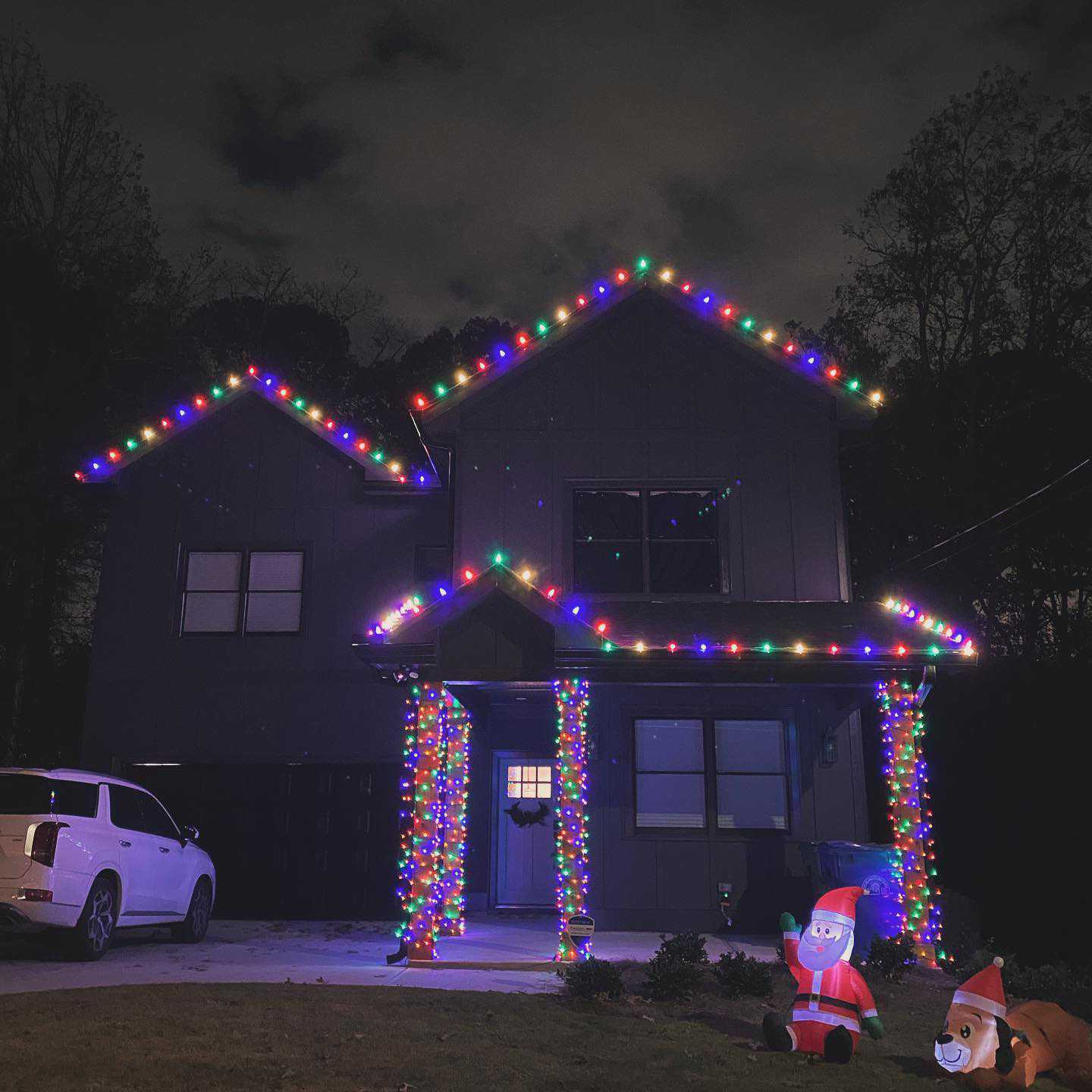
Label the display by property zone
Roofline sections, entry features, tree wraps, wreaths, garland, extension leads, timers and controllers should be kept identifiable. Labels can reference practical zones such as front roofline, garage, left entry tree or storefront section rather than relying on memory months later.
If a professional layout will be reused, simple notes or photos can document where specialty pieces belong. The purpose is operational consistency, not creating a public project claim. Internal documentation helps the next installation begin with a known plan.
Inspect before long-term storage
Takedown is an efficient time to identify cracked clips, damaged cords, failed bulbs, worn connectors or décor that needs repair. Separating questionable components prevents them from being returned to service automatically next season.
Lighting and décor should be dry before sealed storage. Containers should protect components from moisture, crushing and uncontrolled tangling while still allowing crews to find specific zones without unpacking the entire inventory.
Prepare for the next installation while packing
A useful storage system groups components in the order they will be needed and keeps specialty hardware with the correct display zone. This reduces setup time and makes inventory shortages easier to identify before the installation date.
Professional storage can be helpful when the service provider also handles design, installation and removal because the same labeling system can follow the display through the full seasonal lifecycle. Exact storage terms should be confirmed in the project estimate.
How to store Christmas lights after the holidays starts with labeling
Post-holiday storage is easier when each lighting section is identified before it is packed. Roofline runs, tree wraps, controllers, extension components and specialty décor should be kept organized so the next season does not begin with a pile of unknown strands.
Inspecting components during takedown is also useful because damaged bulbs, wires or accessories can be identified before peak installation season. Storage is not only about saving space; it is about preserving a system that can be understood and serviced later.
Christmas light storage checklist
A simple repeatable process protects both the lights and the time required to reinstall them.
- Label by roofline, tree or display zone
- Avoid tight bends or unnecessary strain on wiring
- Separate fragile décor from heavier components
- Keep controllers and specialty accessories identified
- Use a dry, protected storage location
A repeatable storage method saves time next season
A repeatable storage method keeps roofline sections, tree lighting, controllers and specialty décor identifiable. The current display should be labeled and protected by property zone so the next installation starts with an organized system.
Dry, protected storage and a basic component inspection can also reveal replacement needs before the next peak installation window.
Frequently Asked Questions
Should Christmas lights be stored by type or by location?
For a reusable property-specific display, storing by practical location or zone can make the next installation easier because each group already corresponds to part of the layout.
Should lights be inspected before storage?
Yes. Takedown is a good time to separate damaged cords, failed components, worn clips and décor that needs repair before the next season.
Why is dry storage important?
Dry, protected storage reduces unnecessary exposure to moisture, crushing and tangling and helps keep components organized for the next installation cycle.
Should I test Christmas lights before storing them?
A basic inspection during takedown can help identify damaged or missing components so replacement needs are known before the next installation season.
What is the simplest way to organize stored lights?
Label components according to the property’s roofline, trees and display zones, and keep controllers and specialty accessories identified with the sections they support.